Travel Tips: Slowing Down in Vietnam

Vietnam jolts your senses. Between buzzing mopeds, the smell of street food and a fiery climate, it’s easy to get overwhelmed. Don’t fret but do as the Vietnamese do: relax over a cup of cà phê sữa đá (iced coffee). Then prepare for the day with these tips in mind.
Planes, Trains and Motorbikes?

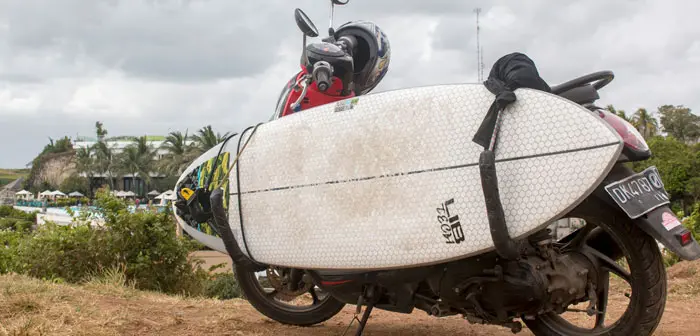
Motorbike travel allows for an unrestricted itinerary. It also provides an intimacy with the people and the countryside otherwise unachievable. Keep in mind, however, that motorbikes can be slow and exhausting in city limits. Roads are hectic and licenses aren’t required, so accidents are routine – especially for foreigners.
Sleeper buses and sleeper trains are the most common means of distance travel, though neither is particularly comfortable (if you’re over 6', you’d better be a contortionist). Trains are the more expensive option, yet they are often slower. Before booking, compare price and duration of bus vs. train.
Plane travel is a breeze for travelers with bigger budgets.
Travel Pointers

Get off the beaten path. There’s a figurative tourist highway that foreigners follow from Vietnam’s south to the north (roughly: Sa Pa, Hanoi, Hoi An, Nha Trang, Dalat, Ho Chi Minh City). Enjoying those touristy locations is fun and easy, but traveling beyond them is when the adventure starts.
Home-stays are advisable (both cheap and culturally immersive options), though you often end up sharing the experience with other tourists. If so, explore the area near your homestay by bicycle or motorbike. Walk down dirt paths, into local markets, through farms and across rice terraces before refueling at a street food stall.

Enjoy the country’s incredible natural diversity. Ha Long Bay, a UNESCO site, boasts almost 2,000 stunning monoliths. The Mekong Delta’s canals are expansive with verdant tunnels that arch through rice paddies and jungle. The beaches of Hoi An and Nha Trang are placid tropical paradises. Not to mention, each city has unique cuisine, historical sites and cultures.
Food is delicious and harmless (almost) everywhere you go. If it looks good, eat it, particularly street food like Bahn Mi sandwiches, Pho and spring rolls. However, stay away from restaurants that have Western food on the menu; they tend to be jack-of-all-meals and masters of none.
Grappling with a tonal language. Vietnamese requires that the speaker uses tones, which means reading out of a phrase book may be unintelligible to locals. It’s best to consult an English-speaking local at your hotel or hostel for help with “please,” “thank you,” “sorry,” and other important words.
**When navigating, ask an English-speaking local to write the name of your destination down on a piece of paper with the correct tones (tones are indicated by accents). Should you get lost, people will be able to more easily direct you.
Tidbits and Tips:

- Most restaurant tables come stocked with lime, salt and chilies. Before eating, rub lime on your chopsticks. Then, squirt the rest of the lime into the salt to make a simple sauce. Add chilies to your liking.
- Solicitation is the Vietnamese reaction to tourism. Some vendors yell, grab or use their body to push you toward their stall. Though initially shocking, you’ll get used to it; smiling and saying, “No thank you,” will suffice.
- Haggling can feel alien and disrespectful, but in Vietnam — and many other Asian countries — you’ll actually earn locals’ respect by negotiating.
- Crossing city streets is difficult given the steady flow of motorcycles, but try to walk at a constant pace and allow traffic to adjust around you.
Related Articles









 CATEGORIES